Coming soon A free AAC symbol library
AAC symbols for communication, learning and print
We're building Poland's largest symbol library for augmentative and alternative communication — and soon we'll open it to everyone. Search, download and print picture symbols, free for non-commercial use.
- Thousands of consistent symbols — from first words to a full vocabulary
- Free for home, therapy and school — for families, professionals and educational settings
- 12 years of experience in assistive technology and AAC
Sample symbols from the library
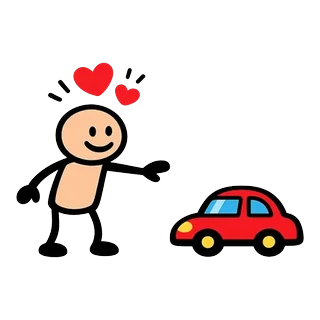
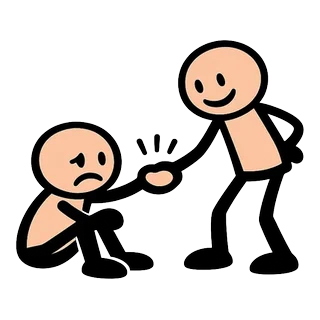
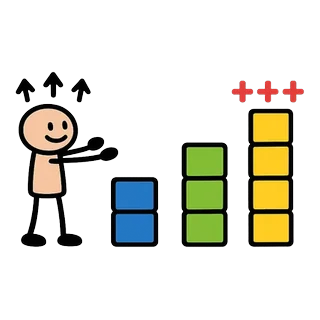
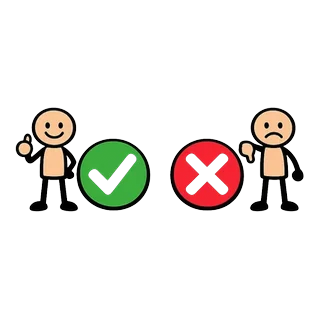


An open AAC symbol library — search, download, print
Everything you need to make a visual schedule, a communication board or activity cards in minutes. No software to install and no fees for non-commercial use.
Symbol search
Type a word and see the matching symbol straight away — synonyms included.
Ready to print
A4 sheets in several card sizes, with labels and cutting lines. Print at home or at school.
One style, colour-coded
Every symbol drawn in the same line style. A colour key — people, actions, social words — makes building sentences easier.
Multilingual from the start
A symbol is universal, and we are designing the library with many languages in mind — English, Polish and beyond.
Take a look inside the symbol library
Below are just a few sample symbols — the full library will hold thousands.
Use the sample to try search, category filters and printing cards.
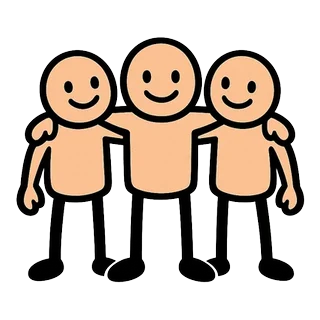


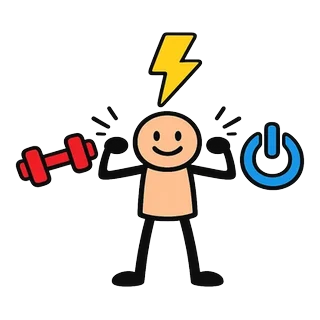
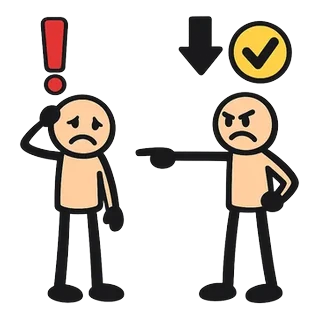

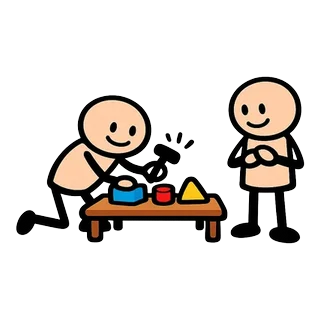
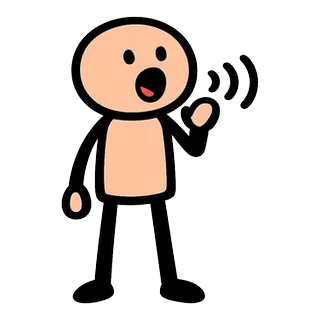
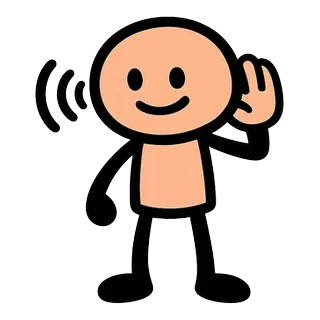
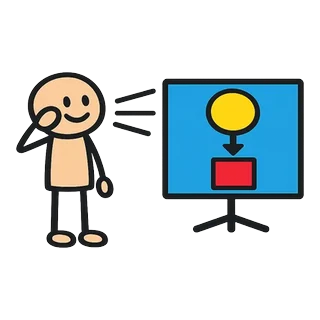
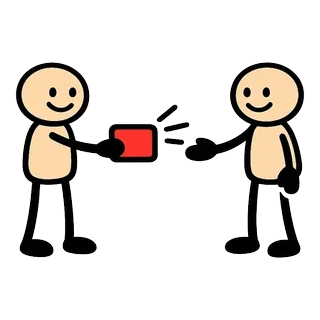
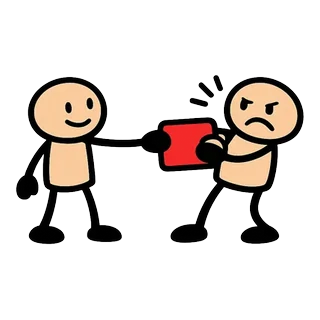

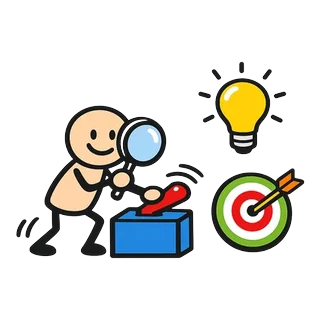
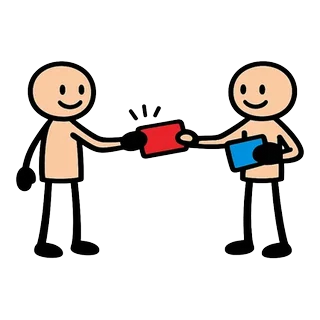

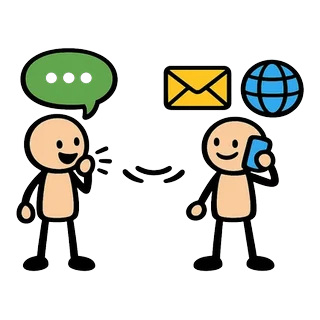
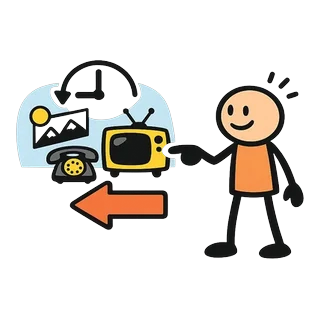
“” isn't in this sample — it will most likely be in the full library. Tell us which symbol you need and we'll add it to the launch list.
A sample from a library of thousands of symbols.
A symbol isn't just a picture. It's a word you can point to.
A photo shows one specific thing. A symbol stands for a whole concept — any “help”, any “more”, any “stop”. That's why you can build sentences with symbols, not just point at objects.
We have developed the library over many years together with people who have communication difficulties and the professionals who support them: speech and language therapists, special educators and AAC practitioners.
Everyone has something to say. Symbols help them say it.
-
Clear, even with low visionBold lines, strong colours and little clutter. Easy to recognise from a distance and at small sizes.
-
For children and adultsA style that isn't childish. It works in kindergarten, at school and for adults after a stroke or with aphasia.
-
Core and fringe vocabularyThe most frequently used words — “want”, “more”, “no”, “help” — plus vocabulary for everyday situations.
-
One style across the librarySymbols from different categories fit together, so a communication board looks consistent and is easier to scan.
Printable picture symbols for every situation
Print, laminate, add Velcro — and communication is right where it's needed: in the kitchen, in the classroom, in the therapy room.
- Visual schedulesStep-by-step daily routines — less stress around transitions.
- Communication boardsCore words on a single sheet, always within reach.
- Choice cards“Want / don't want”, “yes / no”, choosing a game, a meal or an activity.
- Social stories & instructionsSocial stories and step-by-step guides: handwashing, dressing, shopping.
- Classroom and home labelsLabelled cupboards, boxes and rooms — an order everyone understands.
- Worksheets & resourcesMaterials for speech therapy sessions and special education.
For everyone who supports communication
For non-speaking and minimally verbal children, autistic people, people with cerebral palsy or Down syndrome, after a stroke or with aphasia — and for everyone around them.
Parents and families
A visual schedule on the fridge, a “want / don't want” board at the table. Simple materials that help at home straight away.
Speech therapists
Consistent symbols for sessions, exercises and home practice — no more hunting for clip art online.
Schools and kindergartens
Teachers, special educators, special schools and therapy centres — free of charge.
Adults and carers
After a stroke, with aphasia, ALS or other neurodegenerative conditions — when speech fails but needs remain.
Free for non-commercial use
We want these symbols in every family and every classroom — that's why they are free for non-commercial use.
Non-commercial use
For individuals and educational settings.
- Families, carers and AAC users
- Schools, kindergartens and educational settings
- Therapists — in materials for their own clients
- Printing, laminating, schedules and communication boards
Commercial use and apps
Any other use requires written permission from AssisTech.
- Apps and software — including free ones
- Publishers, textbooks and materials for sale
- Online platforms, websites and services
- Devices, merchandise and training AI models
12 years of experience in alternative communication
The library is created by AssisTech — a Polish company that has been designing assistive technology since 2014: C-Eye® eye-gaze systems, eyeTAB tablets and augmentative and alternative communication solutions.
Our solutions are used in homes, schools, rehabilitation centres and hospitals across Poland and abroad. The symbol library is the result of those years — drawn, tested and refined together with users and specialists.
The symbol library is coming soon
Want to hear about the launch first, or prepare symbols for your school or setting? Drop us a line and we'll let you know.
Frequently asked questions about AAC symbols
What are AAC symbols?
Will the symbols be free?
Can I print the symbols and make my own materials?
I want to use the symbols in an app or product. What should I do?
When will the symbol library be available?
Are the symbols suitable for adults?
Does using AAC hold back speech development?
Will the library be available in other languages?
Let's talk about symbols
A question about the library, a licence or a partnership? Pick a topic — an email opens with the subject already filled in. We reply Monday to Friday, 8:00–16:00 (Polish time).
-
Emailkontakt@assistech.eu
-
Phone+48 537 446 406
-
AddressAssisTech Sp. z o.o.
ul. Kampinoska 10, 80-180 Gdańsk, Poland
The tiles open your email app. If nothing happens, write to kontakt@assistech.eu directly.